
A Birthday in the Spotlight
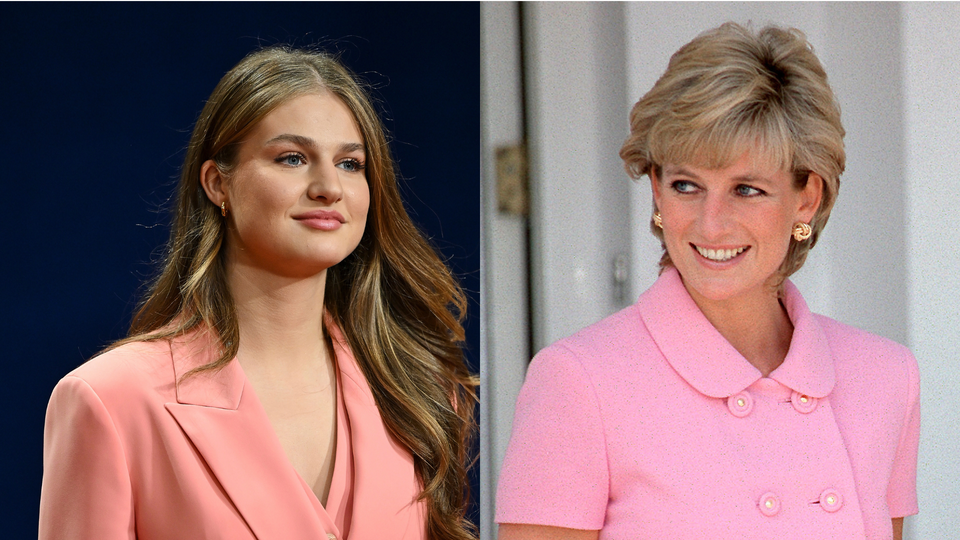
Princess Leonor turned 21 on October 31, marking the birthday with more than cake and headlines. As Spain’s heir to the throne, she is stepping into a more visible public role while beginning university and completing three years of military training. Her milestone birthday also brought a striking comparison from British society magazine Tatler, which placed her in the company of Princess Diana and Catherine, Princess of Wales, as a royal figure capturing public attention.
The comparison is eye-catching, but it needs context. Tatler made the Diana parallel in a social media post celebrating Leonor’s birthday, describing her as a royal idol for Generation Z. That is a media judgment, not proof that an entire generation has chosen her—or that her public influence already matches Diana’s. Still, the label points to a growing curiosity about a young heir whose life combines palace protocol, military service, university and a growing number of independent public appearances.
The Heir to Spain’s Throne
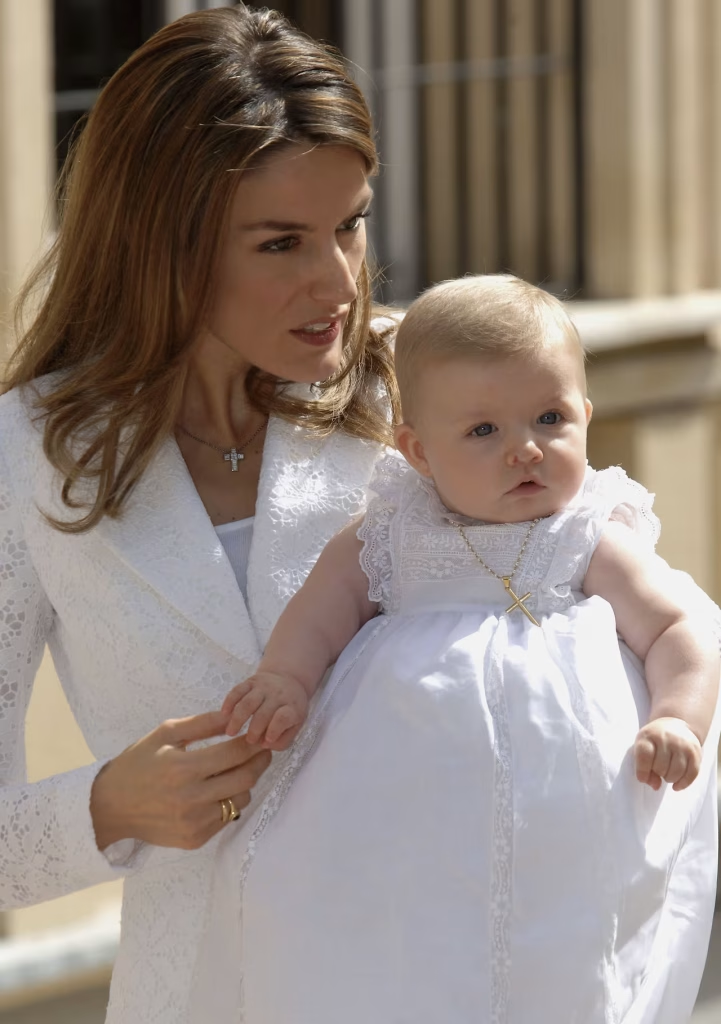
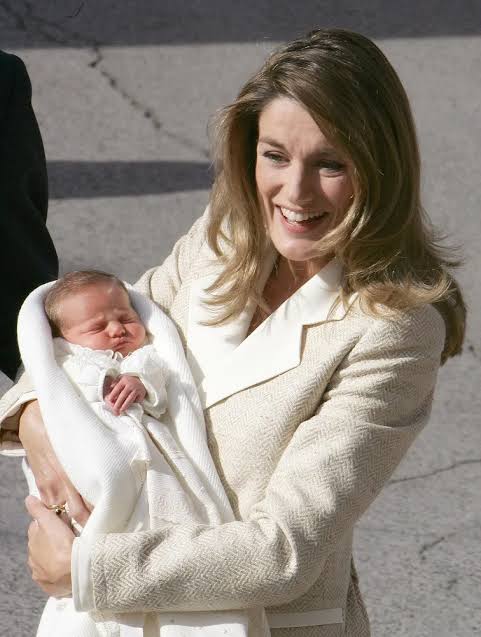
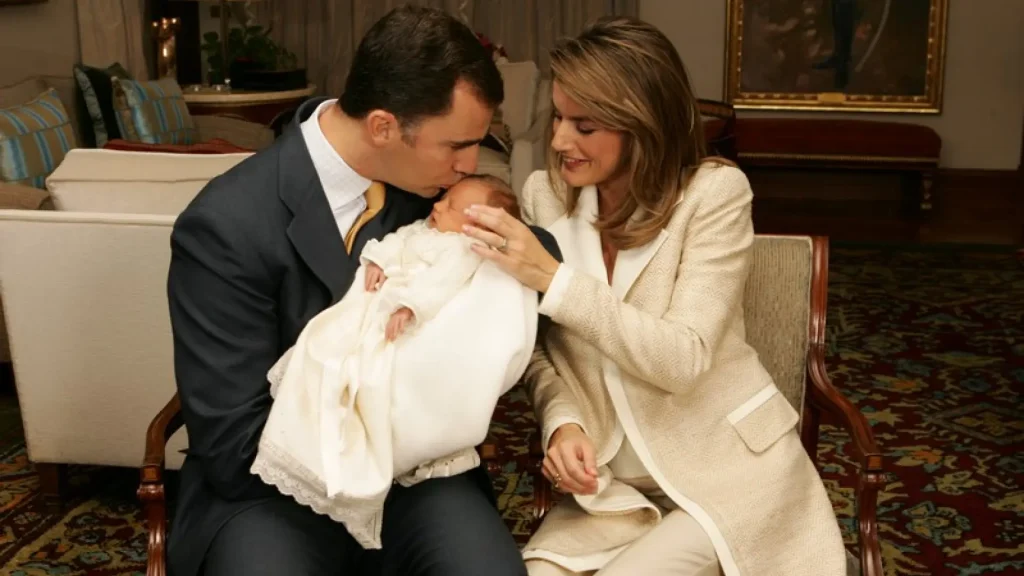
Leonor de Borbón y Ortiz was born in Madrid on October 31, 2005, the elder daughter of King Felipe VI and Queen Letizia. She became heir to the throne when her father became king in June 2014. Her official title is Princess of Asturias, and she also holds titles associated with the historic kingdoms that formed the Spanish monarchy.
That position sets her apart from most young people her age. Her public appearances are part of a constitutional role she has been preparing for since childhood, and her words and choices are closely watched. Yet the way she presents herself is also evolving: she is no longer only appearing beside her parents at formal events. Increasingly, she is taking on engagements herself and building a public profile that will follow her into adulthood.
RELATED: Charlotte Has Fully Transformed Into England’s Favorite Princess
From Military Training to the University Campus

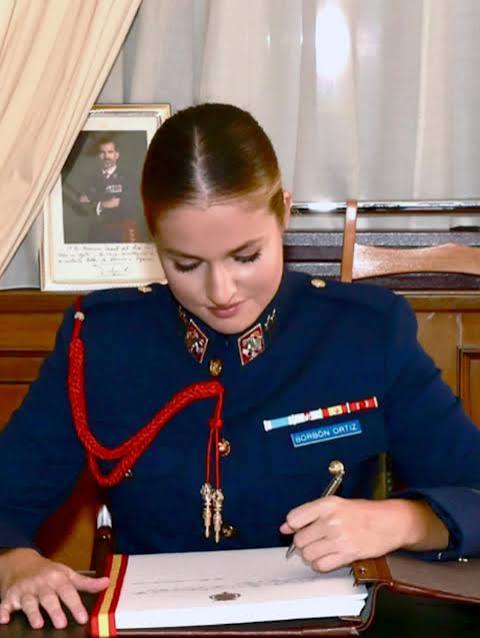
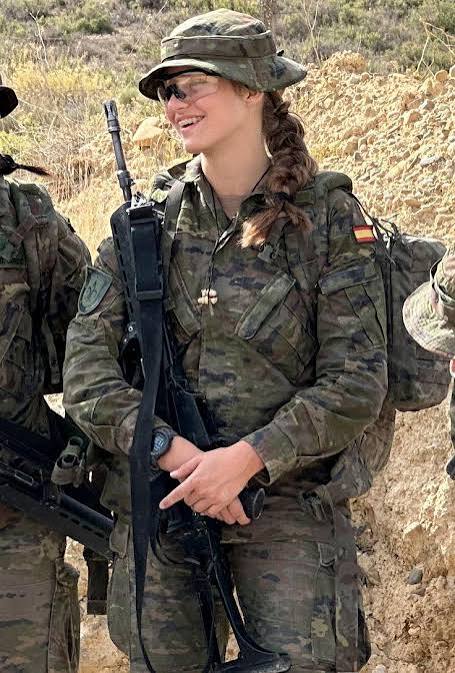
One of the most unusual parts of Leonor’s preparation has been her three-year military education. Spain’s Royal Household arranged training across the Army, Navy and Air and Space Force. The program has included practical exercises: in 2026, she completed a basic parachuting course, took part in flight instruction and made a solo flight in a Pilatus PC-21 aircraft.
That chapter has now given way to university life. Leonor began a four-year Political Science degree at Madrid’s Carlos III University in September. The Royal Household says she will combine her studies with official duties, as she did during her earlier education and military training. Her course includes subjects such as law, economics, sociology, history and international relations—an academic mix closely connected to the institutions and public issues she will encounter as heir.
A Voice Speaking to Her Generation
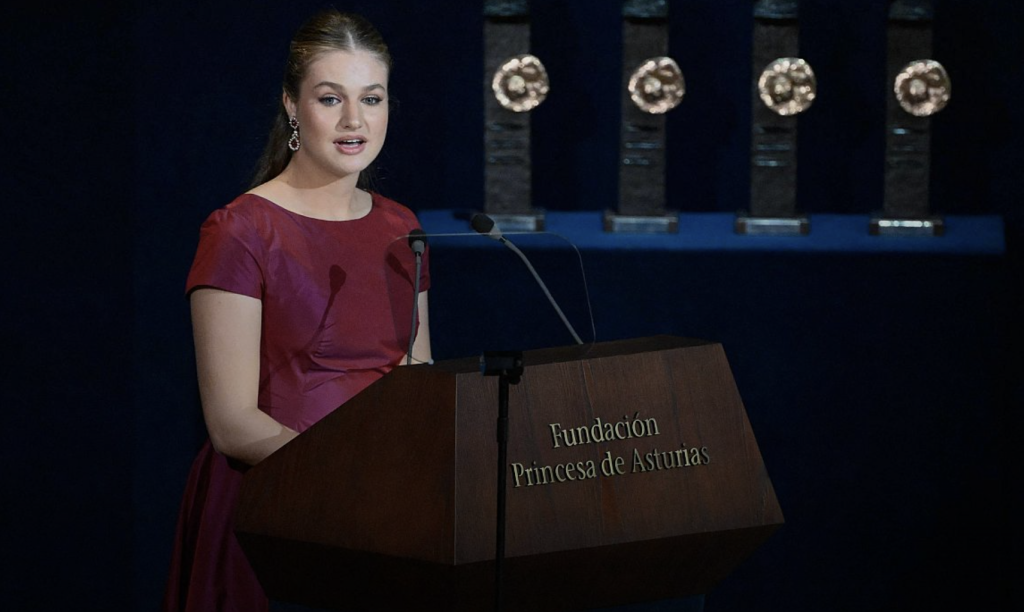
The “Gen Z princess” label has another source beyond her age and university life: Leonor has addressed concerns familiar to young people in her public speeches. At the Princess of Asturias Awards ceremony in October, she spoke about the difficulty of maintaining hope amid social disillusionment and uncertainty. She also referred to questions facing her generation about finding good work and a home.
That does not make her experience equivalent to that of students navigating rent, job searches or financial pressure. Leonor’s role and circumstances are plainly different. But choosing to speak about such concerns—and doing so in a formal setting watched across Spain—helps explain why commentators connect her to the generation she belongs to. Her public voice is developing alongside her official responsibilities.
What the Diana Comparison Really Says
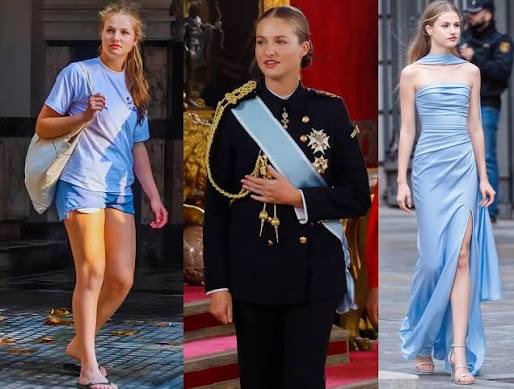
Comparisons with Diana are powerful because her image remains one of the most recognizable in modern royal history. But the label can also flatten two very different lives into a catchy headline. Diana became a global figure in another media era, while Leonor is growing up in a world of social platforms, constant online commentary and direct public access to royal events. The similarities are chiefly about their visibility as young women inside a monarchy—not a guarantee that Leonor will follow Diana’s path or have the same cultural impact.
For now, Leonor’s story is less about becoming “the next” anyone and more about preparing for a role that comes with unusual expectations. Her education, military training and speeches all form part of that preparation. The birthday headlines may turn her into a symbol, but the work of becoming a future queen is gradual: learning institutions, carrying out public duties and earning confidence over time.
A New Chapter at 21
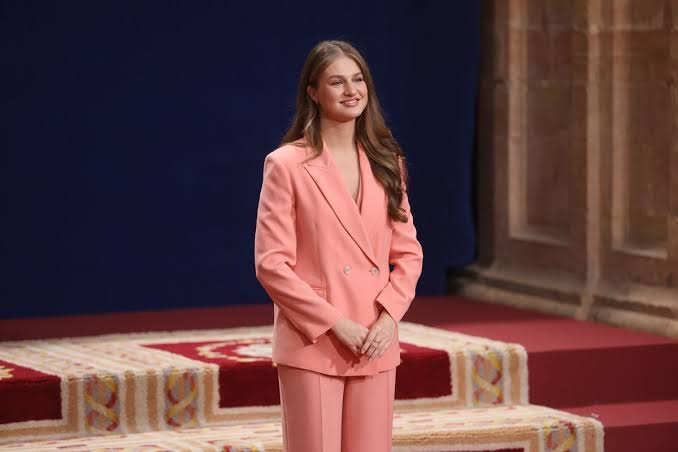
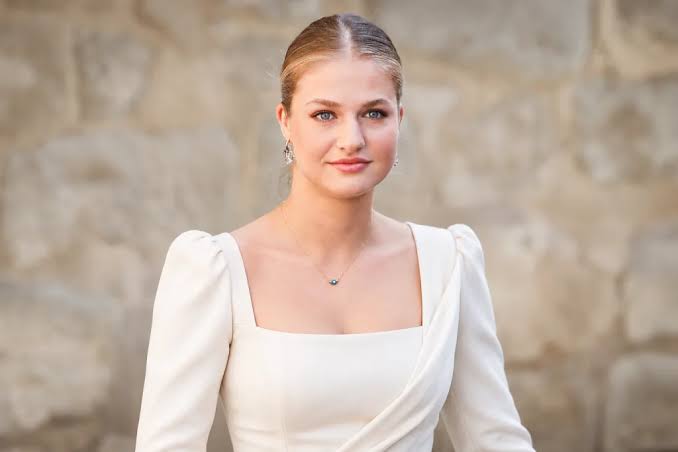
Leonor enters her 21st year at a moment of transition. She is a university student, a trained member of Spain’s armed forces and the country’s heir to the throne. Those identities do not resolve the question of what kind of monarch she may one day become; they show the preparation now underway.
Whether Generation Z truly sees her as its royal icon remains impossible to establish from a magazine post. What is clear is that international coverage is paying attention, and Leonor’s public role is expanding. The Diana comparison may help sell the story, but the more compelling question is how Leonor will shape a public identity of her own—one that reflects her generation while meeting the demands of Spain’s monarchy.