
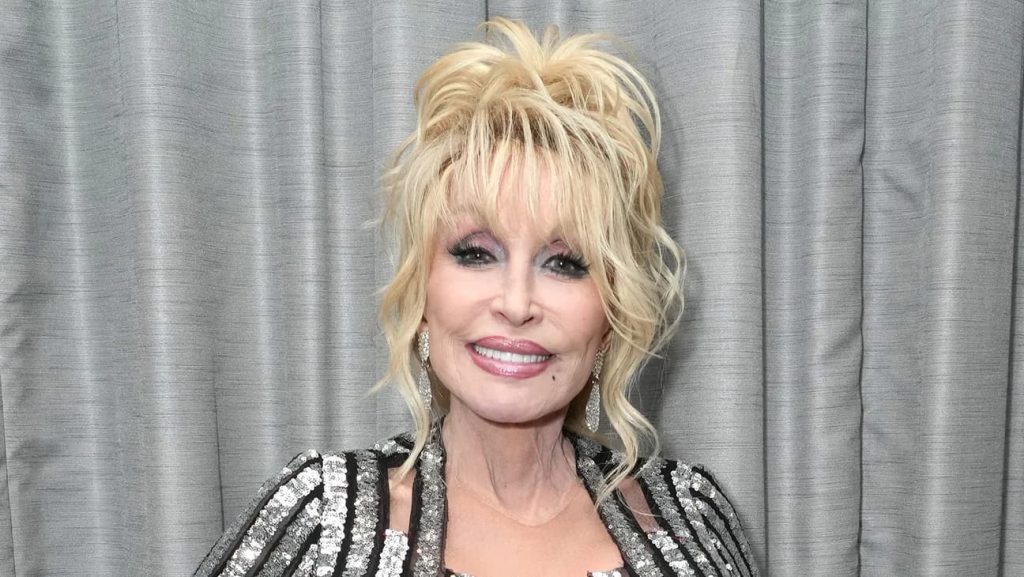
Dolly Parton built a public life on sparkle, humor, and a rare ability to make millions of strangers feel personally known. That is why news of her death has landed with such force, not only in country music circles but far beyond them. For decades, she seemed almost impossible to slow down: writing, performing, giving, joking, and turning even difficult subjects into something warm and human. Yet the final chapter of her life shows the privacy she carefully protected. Public updates suggested health challenges, treatments, and a temporary retreat from performing, but Parton continued to reassure fans with the same upbeat resilience that defined her career. After her death, representatives confirmed she had faced cancer, adding new context to the cancellations and health messages that had worried supporters. Her passing now reads not simply as the loss of a legendary entertainer, but as the quiet farewell of a woman who shared generously with the world while keeping certain struggles entirely her own.
A Private Battle Behind a Public Smile
Parton’s death at 80 was announced by her nephew and longtime security figure, Bryan Seaver. Her representatives later said she died at Vanderbilt-Ingram Cancer Center after a brief battle with cancer. The specific type of cancer was not publicly identified, so fans only had a broad outline of an illness she had chosen to keep private.
That silence was not especially surprising for anyone who had followed her closely. Parton often lived in public, but she never gave the public ownership of everything. Her costumes, jokes, songs, and business decisions were highly visible. Her pain, her marriage, and her most personal fears were handled differently. She once told Vogue that she shared as much as she could, but some things remained sacred and private. Her final months seemed to reflect that same boundary.
Concerns about Parton’s health had grown before her death, especially after she postponed and later canceled major appearances. When fans began worrying, she responded in the familiar Dolly way: honest enough to acknowledge trouble, but cheerful enough to calm the room. She spoke about needing treatments, staying closer to home, and giving herself time to recover.
In one video update, she said she was responding well to medication and treatment. She also told fans she was not ready to die and still had work she wanted to do. At the time, those words sounded like classic Parton optimism. In hindsight, they feel more tender. They show a woman trying to steady her audience while navigating health issues that may have been more complicated than most people understood.
Why Dolly Kept So Much to Herself
Parton’s decision to keep the seriousness of her condition private fits a pattern that ran through much of her life. She understood fame better than almost anyone, but she also understood its cost. Being adored does not mean wanting every medical appointment, family worry, or private fear turned into public property.
Reports after her death suggested that her health problems were more serious than she had let on publicly. Still, it is worth remembering that privacy was not secrecy for its own sake. For Parton, it seemed to be a way of protecting dignity, controlling the story, and sparing fans unnecessary alarm. She had spent a lifetime giving people comfort. It makes sense, sadly and beautifully, that she may not have wanted her final struggle to become another burden for them to carry.
The Loss of Carl Dean Changed Everything
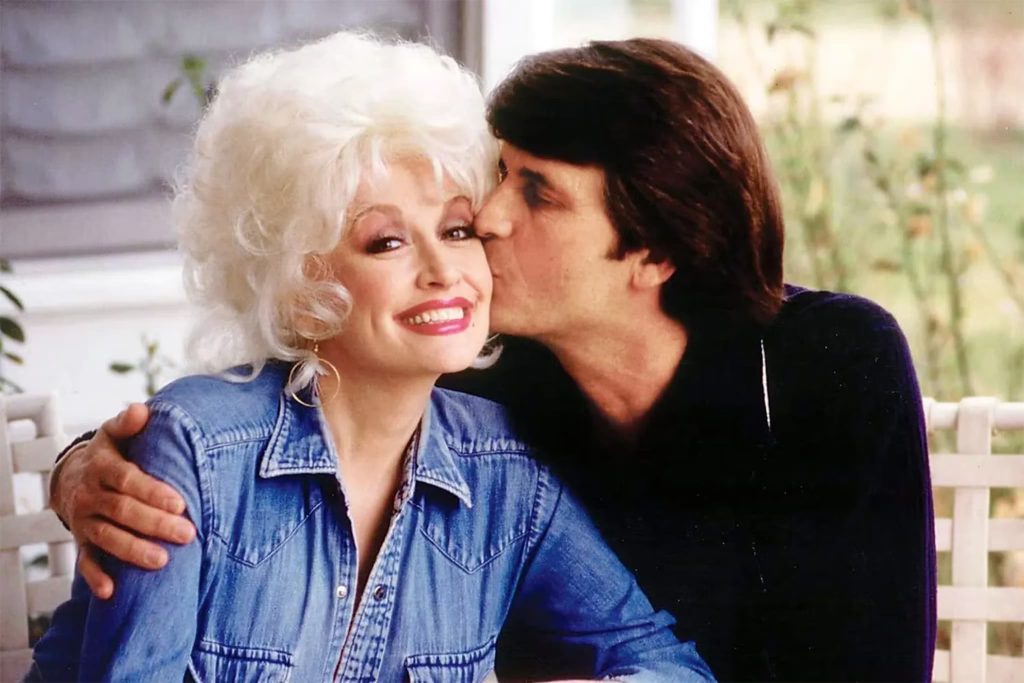
Her final period of health trouble also followed the death of her husband, Carl Dean, who died in 2025 at age 82 after nearly six decades of marriage. Dean famously avoided attention, and Parton protected that choice with remarkable consistency. Their relationship was one of the few parts of her life that remained mostly untouched by celebrity machinery.
After Dean’s death, Parton admitted she had neglected her own health while caring for him. That detail now feels especially poignant. It suggests a private grief layered on top of physical strain, as well as the exhaustion that can follow years of caregiving. Even someone as energetic and driven as Parton was still human, still vulnerable, and still capable of putting someone else’s needs ahead of her own.
A Farewell True to Her Character
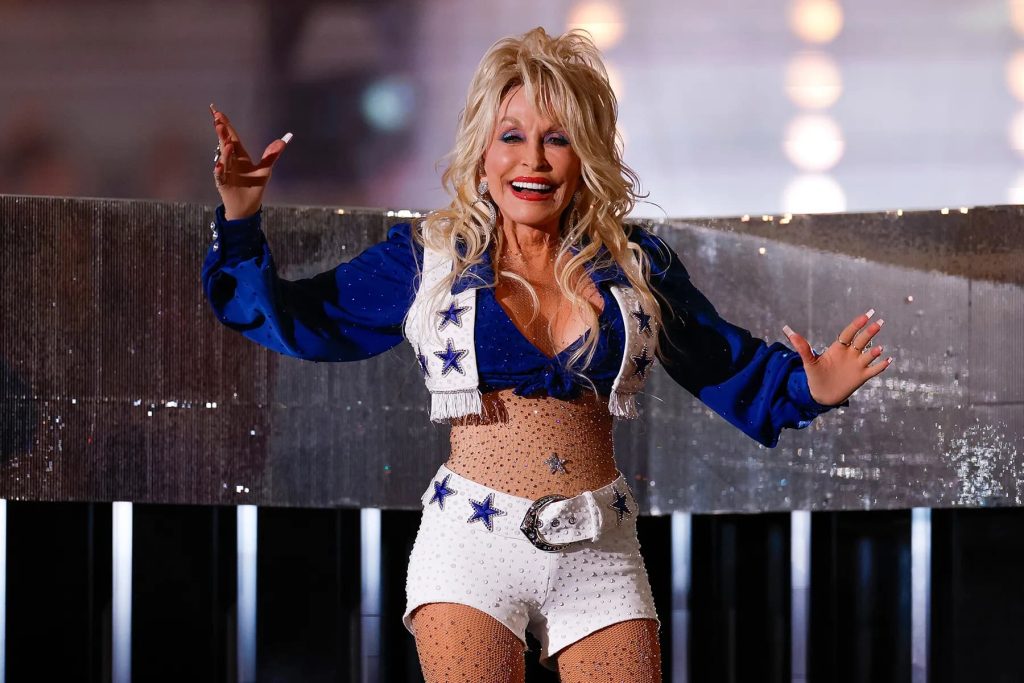
What makes Parton’s death so affecting is not only that she was famous, talented, or beloved. It is that she managed to feel open and mysterious at the same time. She could tell a joke, sing a heartbreak song, fund a library program, or comfort a frightened fan, yet still keep the deepest rooms of her life locked.
Her final message to the public was not one of surrender. She spoke of treatment, improvement, faith, and unfinished work. That is the version many fans will hold onto: Dolly still dreaming, still planning, still insisting that she had more to give. In the end, she left behind more than songs and rhinestones. She left an example of how to be generous without being consumed, visible without being fully exposed, and brave without needing everyone to know the full weight of the battle.